The first Korea-based restaurant on the World's 50 Best.
"I'd rather share what I do well and love, for a long time, than be the world's best."
"Now that I know this isn't something impossible or unreachable, don't you think a lot of other restaurants can start aiming for the World's 50?"
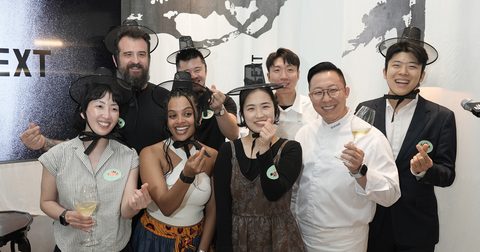
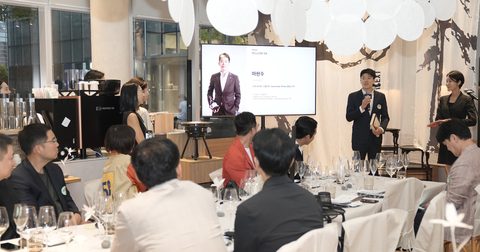
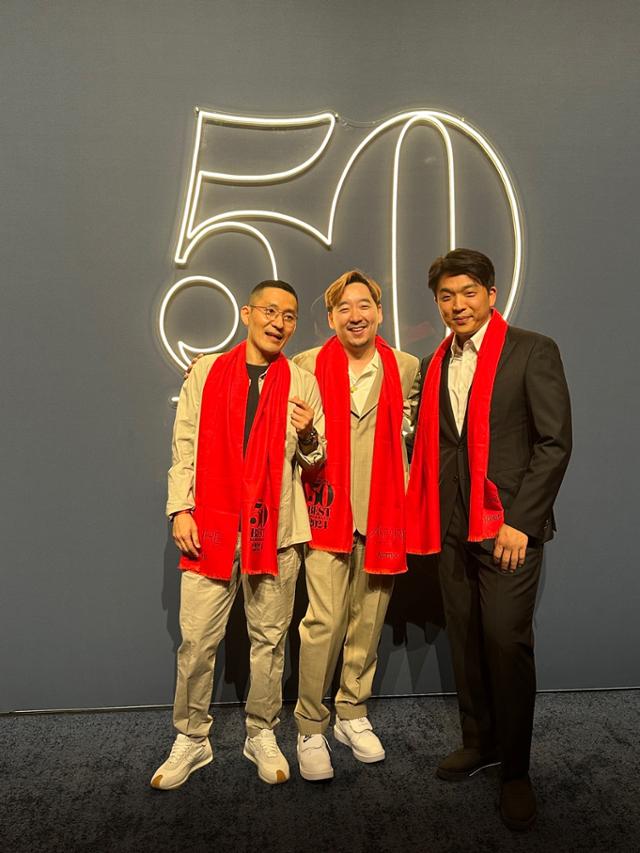
Mingles, the Korean restaurant in Cheongdam-dong, Gangnam-gu, Seoul, rose rapidly in the F&B industry after being named to Asia's 50 Best Restaurants (A50B) in 2016, just two years after opening. It earned one Michelin star in 2017, the first year the Michelin Guide Seoul was published, and has held two stars every year since. In its 10th anniversary year, it added another title: on June 5, at the ceremony in Las Vegas, Mingles was named No. 44 on the World's 50 Best Restaurants (W50B). Since 2002, the UK's William Reed Business Media has selected the world's 50 best restaurants each year. This is the first time a Korea-based restaurant has appeared on W50B — as opposed to the Asia-focused A50B, launched in 2013.
"What matters more than the ranking is the guest who walks in each day"
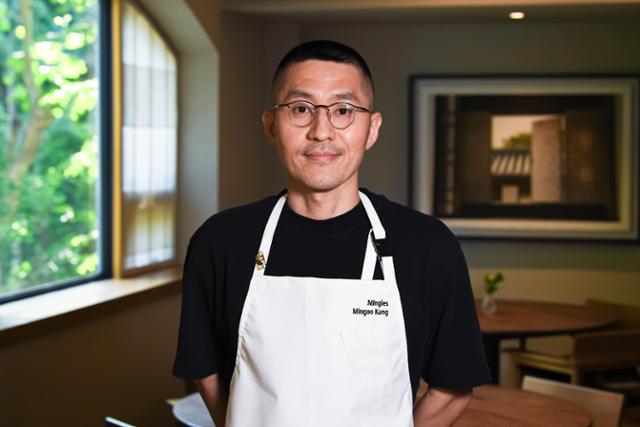
Chef Mingoo Kang (40), whom this reporter met recently at Mingles, said: "Twenty years ago, when I first started cooking, I would look up the restaurants on W50B and think how much I wanted to work in a place like that. Making that very list was a joy." And yet, he added, "getting onto the list isn't the goal of running a restaurant. What still matters is the guest who walks in each day."
Chef Kang has wanted to be a cook since primary school. After graduating from Kyonggi University's Department of Culinary Arts, he served as executive chef at the Bahamas location of Nobu before opening Mingles in 2014. The name Mingles carries the meaning of "harmony between different things." It is also close to a childhood nickname of his own. "My goal is to make new hansik that respects Korean tradition — keeping the bones intact while adding today's sensibility and technique. And many fine-dining restaurants use the chef's name; putting my nickname up is a version of the same gesture."
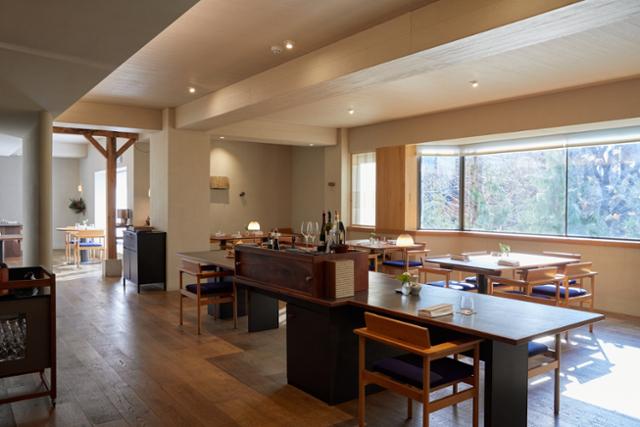
"I'm a small-business owner" — turning down outside investment to stay himself
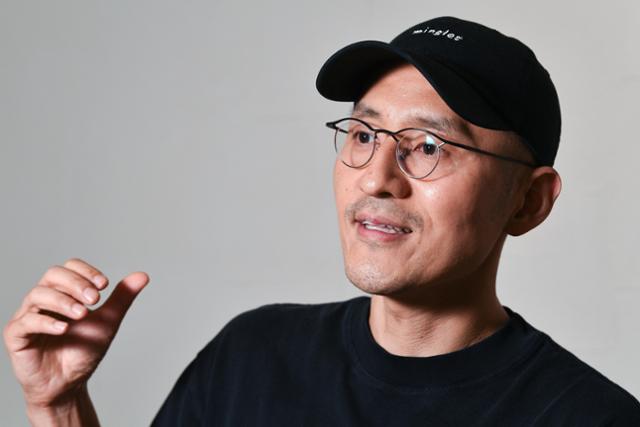
"I didn't open Mingles dreaming of a world-class restaurant," Chef Kang said. "The bigger goal was to do, for a long time, what I'm good at and what I love." Because he runs it under his own name, protecting his own voice and autonomy has been important — which is why he has turned down outside investment. The business has grown and moved from a sole proprietorship to a corporation, but Chef Kang still introduces himself as a "small-business owner." "I want to spread hansik badly, but the pressure to keep the business viable is also huge," he said. His formula for success, then, is desperate seriousness. He has been active abroad too: after opening the Korean restaurant Hansikgu in Hong Kong in 2019, he recently launched SETOPA in Paris — the name comes from "Seoul to Paris." SETOPA is a localized outpost of the fried-chicken brand Hyodo Chicken, whose menu he developed together with Chef Shin Chang-ho of the celebrated Korean restaurant Joo Ok.
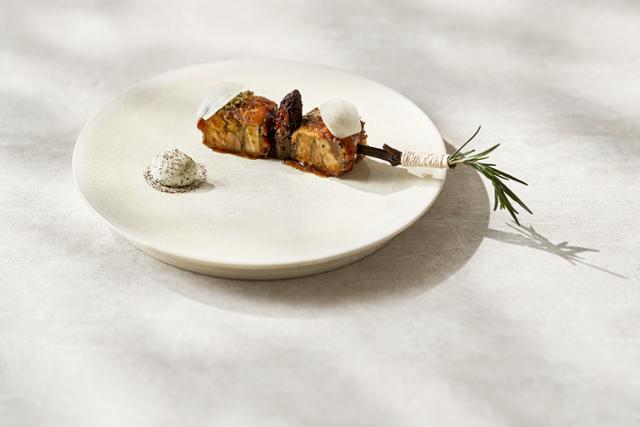
In his twenties, working at a wine bar, Chef Kang was even told he had "no talent, no way out." It didn't crush him. "Cooking isn't like sports — it doesn't leave a record, and it isn't ranked through competition. So I believed that if I could cook the food I love well, and had guests who loved and connected with it, I could keep doing this," he said. "I've never once wanted a job other than cook."
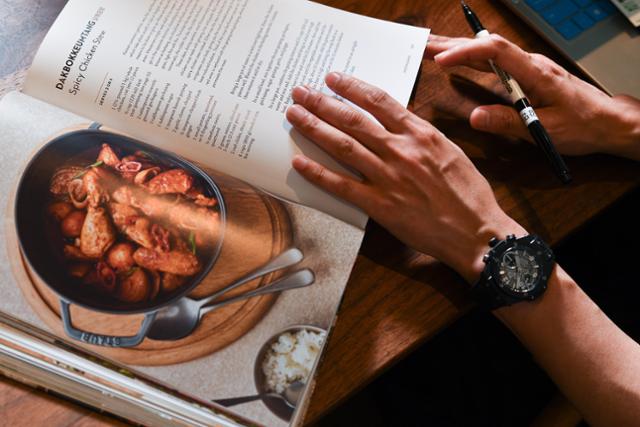
In March this year, after four years of preparation, he published Jang, an English-language book about Korean fermented sauces. The idea is that introducing hansik at its roots will pull more people deeper into Korean food. Hansik is drawing global attention right now, he stressed, but whether it becomes a sustainable competitive strength for Korean culture depends on what we do at this moment.
"Even when Mingles is talked about, we have limited seats — only a small share of foreign visitors can experience it. The public and private sectors have to work together to build good hansik content and to grow more educational institutions. That's how more travelers will come, and how we'll draw more international attention."
· Original (Korean): hankookilbo.com