※ Continued from Part 1: "Helinox and K-chefs on the hunt for Korea's 'oil road' — Inspired by a Kim Hong-do genre painting."
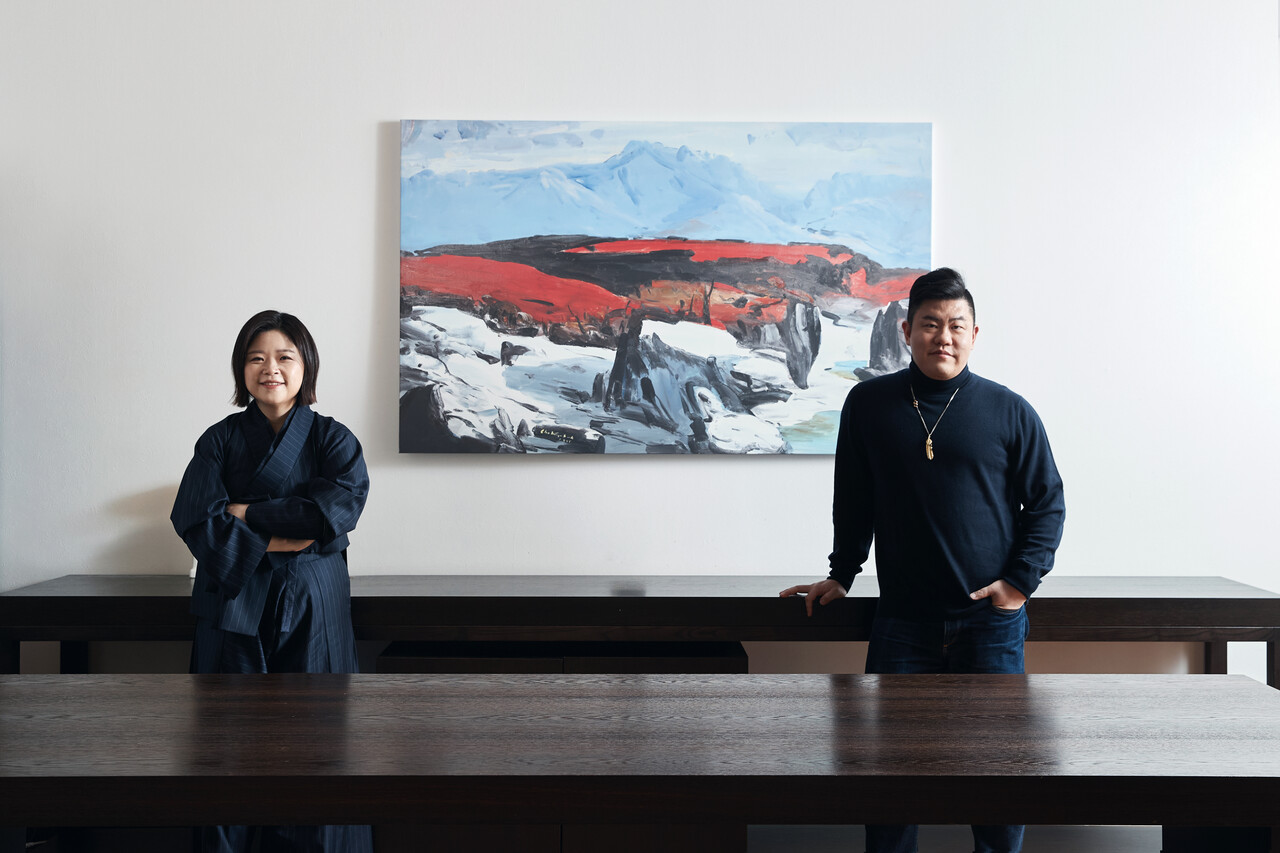
They have attached "cutting edge" to an old leisure culture. But they don't claim to have restored a tradition. They only claim to have reinterpreted it. Whether to attach the letter "K" to what they've built, they say, is up to the user. "By the way, it's Korean," Ra says.
They were visibly enjoying themselves, imagining how chefs would soon start "playing" with the cookware they are about to release.
By Moon Sang-deok, mosadu@fortunekorea.co.kr · Photos by Kang Tae-hoon
The leisure culture of "eating is playing," and the food culture of enjoying grilled meat with soup, undeniably link contemporary Koreans to a scene in a Kim Hong-do painting. But that single scene alone cannot be firm evidence tying yangban leisure to today's play culture.
John Lie, professor of sociology at UC Berkeley, makes a somewhat provocative argument. In his book K-Pop (2019), he writes that "people conceptualize history as continuous," but in reality "popular culture has replaced tradition." He also argues that we have not only forgotten tradition — we have forgotten that we are severed from it. That, he says, is why people today look for the roots of popular culture in tradition.
For that reason, Lie writes, even the "K" in K-pop has nothing to do with Korean culture. It's closer to an industrial system. He analyzes K-pop as "a Korean version of the old Hollywood studio system," a regime "grounded in extreme division of labor and specialization." By that reading, the meat-grilling culture of Joseon-era nanro-hoe — the tradition itself — has no direct bearing on today's "K."
Ra shrugged.
"What matters isn't that it's K. What matters is that it's good. Good enough that people happily pay for it. It's a case of 'By the way, it's Korean.'"
Q. Both Helinox and hansik get "K" attached to them. What is the essence of that "K"?
Ra There's an animation director named Erick Oh. He collaborated with Helinox too — he created our official character, Heli. In 2021, he was nominated in the animated short category at the Academy Awards. He was born in Berkeley, went to university in Korea, and now works out of Berkeley again.
You ask him: "Are you American or Korean?" On paper, he's American. But as he's become famous, wherever his passport says, people call him a "Korean director." They don't look at his passport. They look at what cultural material he's made of. His software is Korean, so they see him as Korean. Whether it's me or Erick Oh doing the work, it's Korean. We try to give special meaning to "K," but whatever we do, at its base, is "K."
Q. Emeritus professor John Lie at UC Berkeley defines "K" not as a cultural genre but as an industrial system — one characterized by extreme division of labor.
Ra Compared to the United States, Korea has much less division of labor, doesn't it? Just look at American restaurants.
Choi Koreans are more talented at fusion than at division.
Ra Take me — I'm multifunction myself. Between cooking and manufacturing, I notice the commonalities before the differences. When I look at my artist friends, I don't feel there's a big gap between us. A single core essence expresses itself in cooking, in manufacturing, or sometimes in the distribution process.
Q. It isn't easy for a manufacturing (B2B) company to become a brand. How did Helinox pull it off?
Ra Korean manufacturing technology is world-class. Now we have to grow the brand and sell more on that basis. What did the great brands get right? There was recent chatter about the welding quality on Ferrari sports cars. Some people scoff at it, and yet the cars still sell at more than 400 million won each.
In the end it's about where you put limited resources. Where do you invest so that it's the user, not your business partner, who likes the result? Focusing on what the user will like has to be the essence of a brand. So going from B2B to B2C is like entering a new industry altogether.
To reach the user, do we only use Dong-A Aluminum's products? No. You gather the best technologies — the best fabric bonding, the best sewing — and curate them. Because I know this landscape, I can curate the resources in it well and put something the user will love into their hands.
This project is the same. I already knew cladding as a technique, and Stove One is manufactured at a factory in Korea. I also know that Korea Gas Safety Corporation's safety standards are world-class — once you clear those standards you're fine anywhere in the world. On top of that, we added meat-grilling culture, and we curated it all.
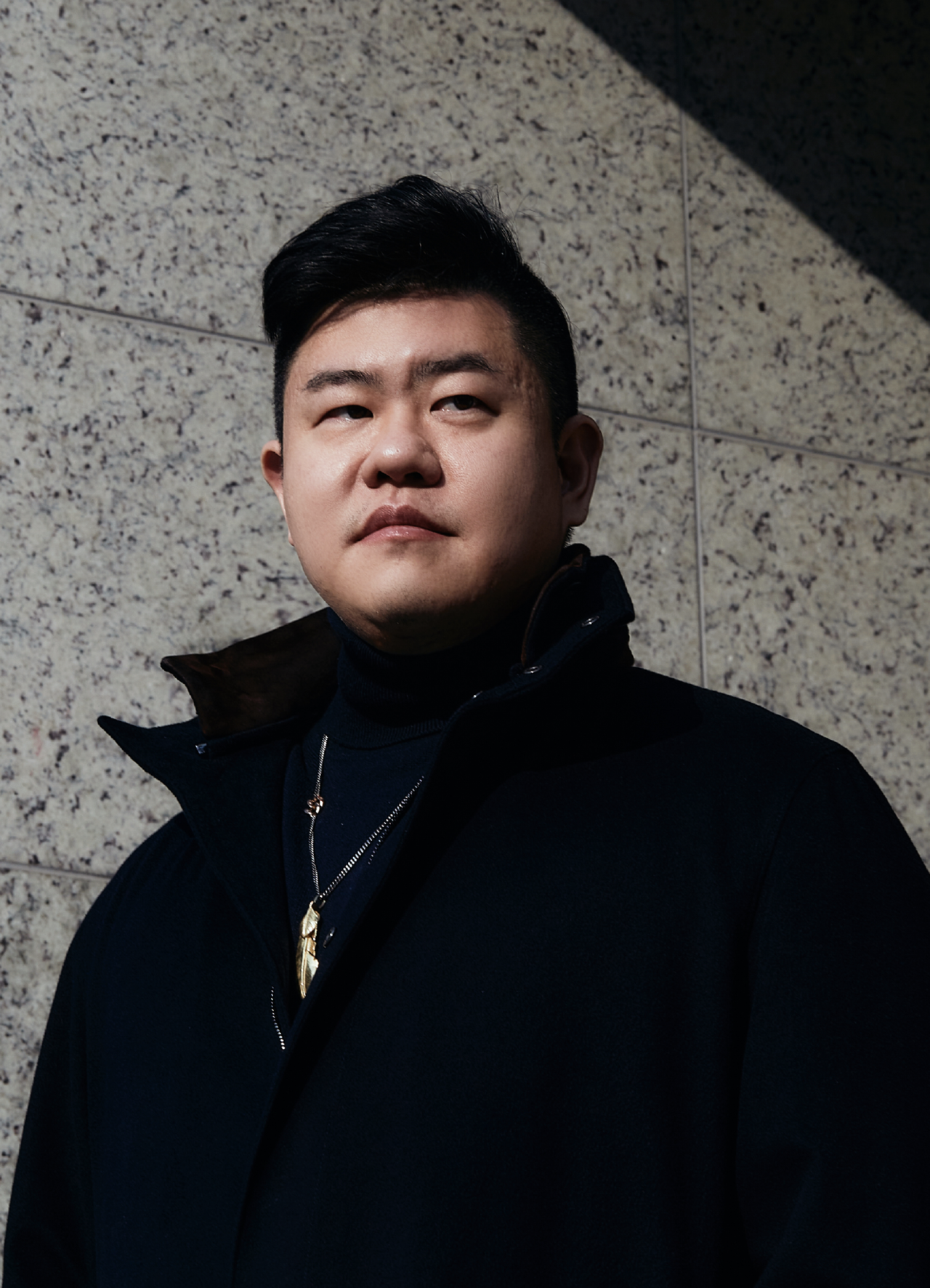
Where do you spend resources so that it's the user, not your business partner, who's pleased? Focusing on what the user will like has to be the essence of a brand. — Ra Young-hwan, CEO of Helinox
Q. What are the plans after launch?
Ra That's when it gets really fun.
Choi We'll cook all sorts of dishes. We held a Nanro Academy session in April. We're bringing in people who know meat-grilling inside out — Geumdwaeji Sikdang, Ttrak, and others. We'll be playing with it there.
Q. Recipes built around this gear might well emerge.
Choi Exactly. One reason Korean-food content is so popular is that it's bespoke — you make your own recipe. Even somaek (soju + beer) is mixed to taste. If we just share the base recipe, I think Helinox campers will run with it and have fun. The person using it matters most.
Ra "The chef behind the Phaidon book and her colleagues are thinking through recipes." I think some wonderful recipes will come out of it. I've been wondering about publishing a small booklet. Put a few signature recipes in the front, and leave the back blank — so the user can write their own recipes in.
Choi Chefs will play with the gear, then post it on their social channels — "Look what I cooked with this." We're also planning to sell it through crowdfunding.
Ra I wanted the distribution itself to be fun. Crowdfunding felt like the right fit, so I suggested it, and Nanro's chefs thought it sounded fun and agreed. Abroad, we'll try Kickstarter too.
Choi In the end it's about people. We'll let this spread through people.
Q. So it's not "make it and you're done."
Choi Is there really such a thing as done? You have to keep evolving.
Ra When you work abroad, you notice — Koreans can't be satisfied. There's no "this is enough." You just keep going. I think that's our strength. It is tiring, mind you.
Q. Will Helinox go public?
Ra Of course we'll list, we should list. The question is how to list while protecting Helinox's essence. Maybe that means listing somewhere with a large operational footprint. Maybe somewhere with many institutional investors. It's too early to say where.
Q. What value would you present to investors?
Ra My uncle, Dr. Oh Jun-ho (a former professor of mechanical engineering at KAIST and the founder of Rainbow Robotics), once told me, "The cutting edge exists in every field." Even in classical music, even in cooking, there is a cutting edge. I'm trying to be the cutting edge in my own field — in consumer goods and lifestyle.
· Original (Korean): fortunekorea.co.kr